

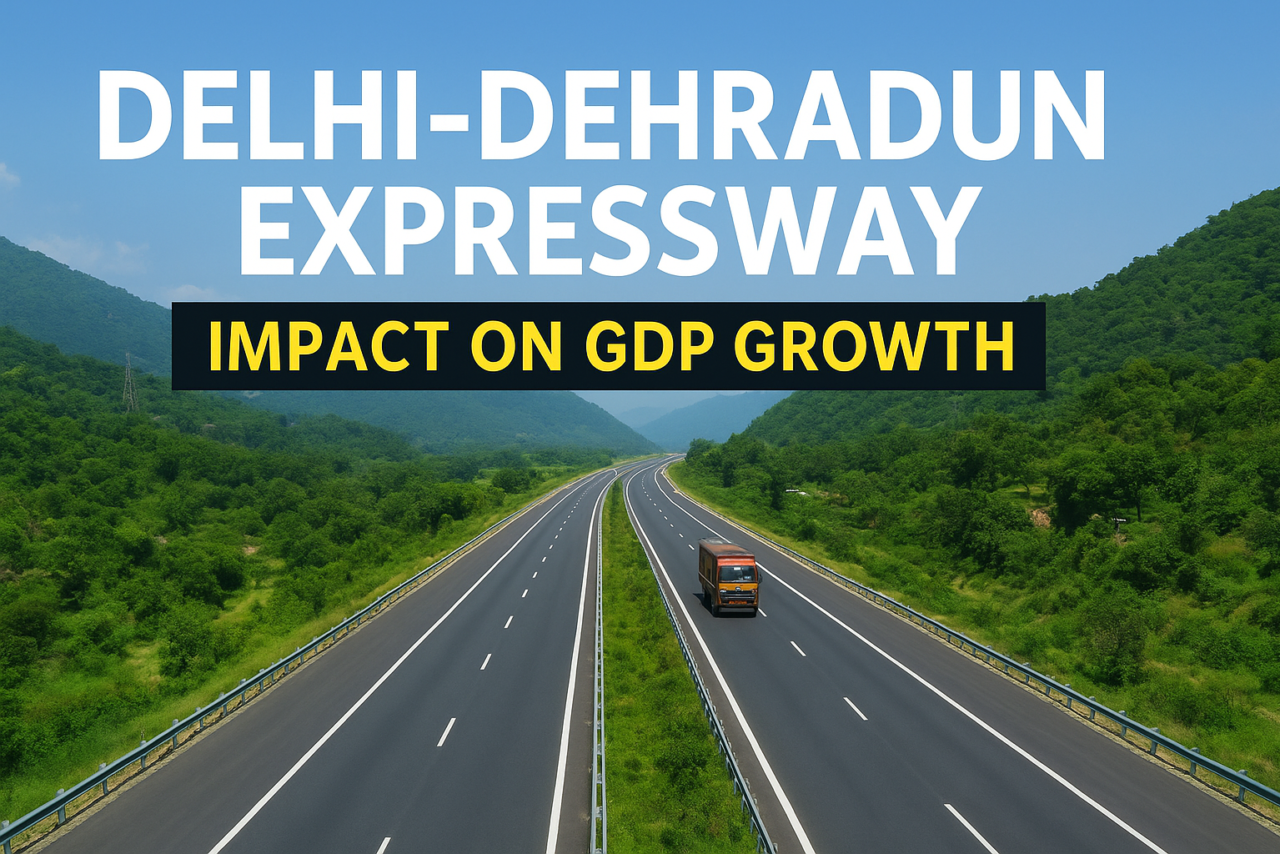

The Delhi Dehradun Expressway is emerging as one of India’s most ambitious road infrastructure projects, designed to significantly improve connectivity between the national capital and the gateway to Uttarakhand. Once completed, this high-speed corridor is expected to reduce travel time between Delhi and Dehradun from 5–6 hours to under 2.5 hours, making it a transformational project for commuters, logistics operators, and the tourism sector. As India prioritizes modern expressways to support regional development, this project stands out as a strategic investment in national growth.
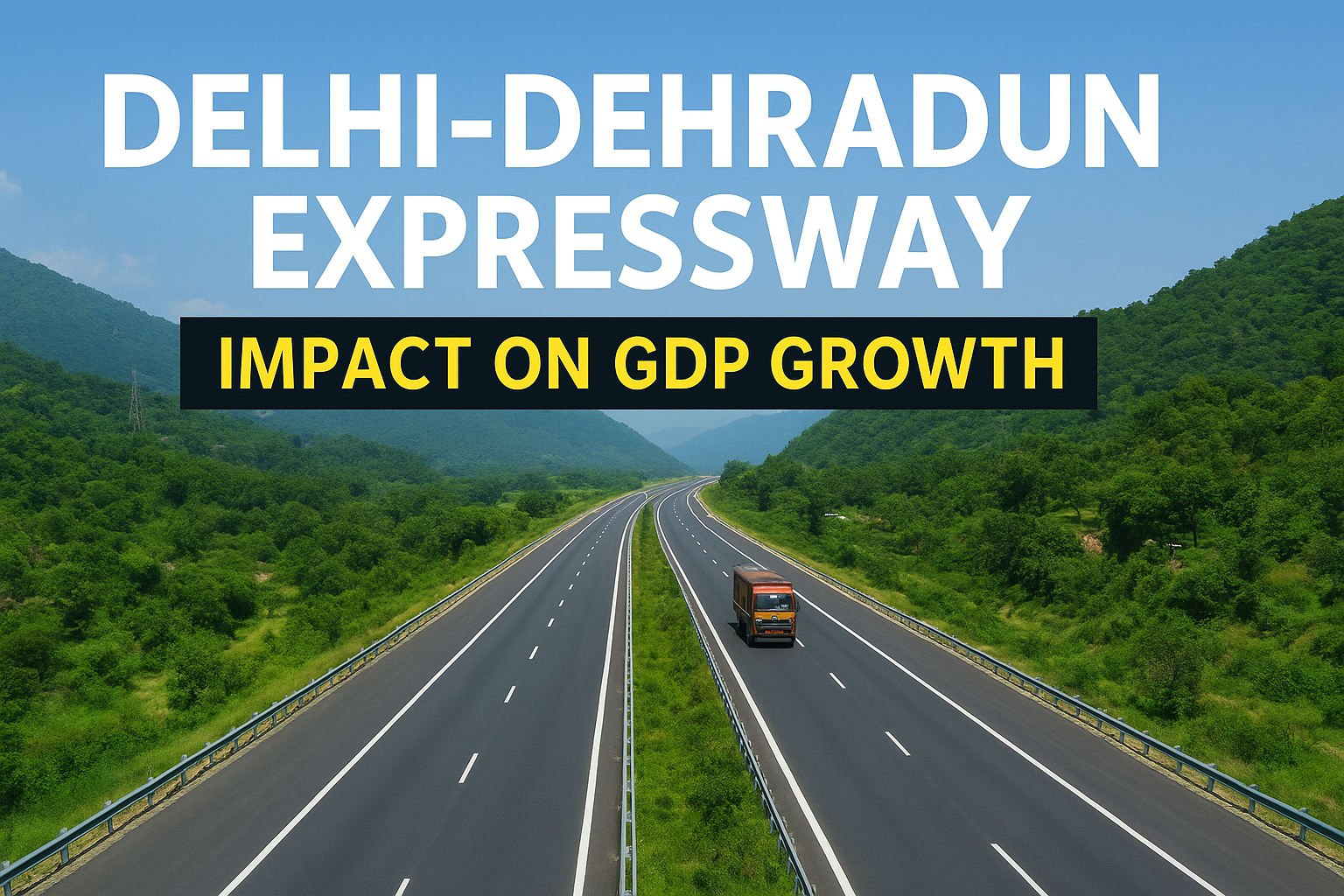
Project Overview: A State-of-the-Art Greenfield Expressway
The expressway spans approximately 210 kilometers, built as a completely access-controlled, six-lane greenfield corridor. Developed under the Bharatmala Pariyojana, the project integrates smart design elements, wildlife protection features, eco-bridges, tunnels, and service lanes.
Key project highlights include:
Elevated corridors through dense forest zones
Asia’s longest wildlife protection corridor
Dedicated smart tolling systems
Direct access to cities such as Saharanpur, Baghpat, and Muzaffarnagar
Its modern planning aligns with India’s vision of building world-class highways that ensure fast, safe, and seamless travel.
Boost to Tourism & Regional Development
The Delhi Dehradun Expressway is expected to become a major catalyst for tourism, particularly in Uttarakhand. Dehradun, Mussoorie, Rishikesh, Haridwar, and surrounding hill stations will experience a sharp increase in tourist inflows due to faster road access.
The expressway will also boost:
Religious tourism to Haridwar and Rishikesh
Adventure tourism in Tehri and Mussoorie
Eco-tourism through protected forest corridors
By reducing travel fatigue and enabling more weekend trips, the project will contribute to higher business growth for hotels, homestays, transport operators, and local markets.
Economic Impact: Accelerating Industrial Corridors
Beyond tourism, the expressway will enhance industrial activity across western Uttar Pradesh and Uttarakhand. Connectivity improvements will benefit sectors such as:
Logistics & warehousing
Food processing industries
Manufacturing clusters
Pharmaceutical and biotech sectors in Dehradun
The corridor will encourage companies to set up units in cities along the route, boosting local employment, supply chain efficiency, and real estate development.
Contribution to India’s GDP Growth
Modern expressways are essential to India’s infrastructure-led growth strategy. The Delhi Dehradun Expressway aligns with this vision by enabling:
Faster movement of goods, reducing logistics costs by up to 20%
Greater economic activity in connected regions
Improved regional trade between Delhi, UP, and Uttarakhand
Higher tourism revenues contributing directly to GDP growth
By strengthening north India’s economic network, the project will play a significant role in India’s journey toward a $5 trillion economy. Enhanced connectivity will also open new opportunities for startups, investors, and real estate developers.
Environmental & Sustainability Benefits
Unlike conventional highways, the expressway incorporates wildlife-friendly structures, green bridges, and sound barriers to protect the region’s biodiversity. Reduced congestion and smoother traffic flow will also help decrease vehicular emissions, supporting India’s commitment to green mobility.
Conclusion: A Game-Changer for India’s Infrastructure Future
The Delhi Dehradun Expressway is much more than a road project—it is a strategic driver of economic development, tourism growth, and national connectivity. As construction progresses rapidly, the expressway is set to reshape mobility in north India while contributing significantly to regional GDP growth and India’s long-term economic vision.


Leave a Reply